

| Jump To |
| What It Is |
| Appearance — What Does It Look Like? |
| Causes |
| When to See a Doctor |
| Treatment |
| Takeaways |
| FAQs |
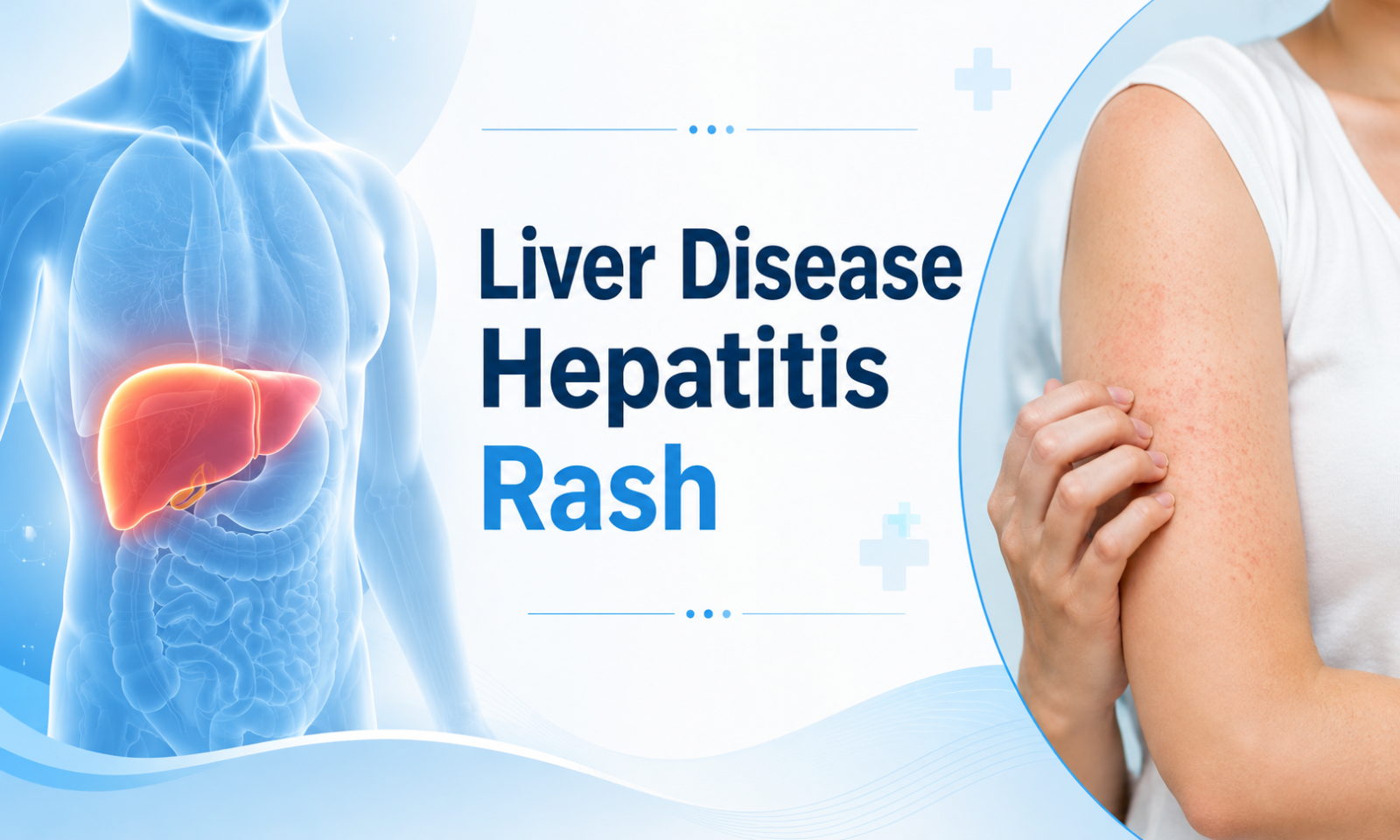
Hepatitis — an inflammation of the liver caused by viral infection, autoimmune disease, or toxic damage — is widely known for symptoms like jaundice, fatigue, and abdominal pain. What is less well known is that liver disease can also show up on your skin. Liver disease hepatitis rash is a real and medically significant symptom that affects a substantial portion of people living with chronic hepatitis, particularly hepatitis B and hepatitis C. Researchers estimate that up to one-third of people with chronic hepatitis C infection will develop visible skin changes at some point during the course of their illness.
Because a rash is not the first symptom most people associate with liver disease, it is frequently mistaken for an allergic reaction, a dermatological condition, or a side effect of medication. Understanding what a hepatitis-related rash looks like, why it happens, and when to act can make a meaningful difference in how quickly you get the right diagnosis and treatment.
If you or someone you care about is managing a chronic health condition and looking for comprehensive, supportive care resources, visit Conway Behavioral Health for evidence-based guidance on living well with complex medical diagnoses.
What It Is
What Is a Liver Disease Hepatitis Rash?
The liver plays a central role in filtering toxins, regulating hormones, producing bile, and maintaining immune balance throughout the body. When the liver is damaged or inflamed — as it is in chronic hepatitis — these functions are compromised. Toxins accumulate, bile salts spill into the bloodstream, and immune signalling goes awry. The skin, as the body’s largest organ and a direct reflection of internal health, often bears the consequences.
According to research published in the Annals of Hepatology, skin manifestations occur in both acute and chronic liver disease and can take many different forms depending on the underlying cause, the stage of the disease, and the individual patient’s immune response.
In hepatitis specifically, rashes tend to appear more often in people with chronic infection rather than those in the acute phase. This is because the longer the immune system is challenged by ongoing viral activity or liver inflammation, the greater the likelihood of systemic effects — including those that show up on the skin. Some people have no rash at all; others develop significant, recurrent skin changes that require treatment in their own right.
It is also worth noting that a rash can sometimes precede a formal hepatitis diagnosis — appearing as a visible clue that something is wrong internally before other symptoms become obvious.
Appearance
What Does a Hepatitis Rash Look Like?
Hepatitis-related rashes are not uniform in appearance — they can present in several different ways depending on the underlying mechanism. DermNet NZ’s overview of skin signs in viral hepatitis identifies four primary presentations that clinicians look for:
- Hives (urticaria): Raised, itchy welts that can appear anywhere on the body. They are typically red, warm to the touch, and may have a white or pale centre with red borders. They can come and go over hours to days and are often the first skin symptom people notice.
- Lichen planus: Flat-topped, polygonal bumps that are typically purple or reddish-violet in colour. Unlike hives, these do not raise significantly above the skin surface. They tend to cluster on the wrists, ankles, lower back, and inner forearms, and may cause significant itching.
- Macules: Flat, discoloured patches of skin that do not raised above the surface. In hepatitis, these may appear red, brown, or yellowish and can spread widely across the torso, arms, and legs. Jaundice — the yellowing of the skin and whites of the eyes — is a form of macule caused by bilirubin buildup.
- Purpura: Small red or purple spots or dots caused by bleeding under the skin. Unlike bruises, purpura do not fade or change colour when pressed. They may appear as pinpoint dots (petechiae) or as larger patches, and their presence can indicate a more serious complication involving blood vessel damage.
Rashes can appear anywhere on the body — the arms, legs, torso, face, and even the palms of the hands. Their severity ranges from barely noticeable to extensive and severely itchy. Some people experience rashes continuously; others find them intermittent, appearing and fading in response to triggers like heat, stress, or changes in liver function.
| Rash Type | Appearance | Location | Associated Condition |
| Hives (urticaria) | Raised, itchy red welts with pale centres | Anywhere — often trunk and limbs | Immune response to viral infection |
| Lichen planus | Flat-topped purple-violet bumps | Wrists, ankles, lower back | Immune-mediated; linked to HCV |
| Macules | Flat discoloured patches — red, brown, or yellow | Widespread; torso and limbs | Liver dysfunction, bilirubin accumulation |
| Purpura / petechiae | Small red or purple dots that don’t blanch | Legs, feet, lower extremities | Cryoglobulinemia, blood vessel damage |
| Spider angiomas | Small blood vessels radiating from a centre point | Face, chest, upper arms | Elevated oestrogen due to liver dysfunction |
| Palmar erythema | Redness of the palms and fingertip pads | Palms of hands | Advanced liver disease, cirrhosis |
It is important to recognise that many of these rash types can look similar to skin conditions caused by unrelated issues — allergic reactions, eczema, psoriasis, or medication side effects among them. A rash that could be hepatitis-related should always be evaluated by a doctor rather than assumed to be benign.
Causes
What Causes a Hepatitis Rash?
Several distinct mechanisms can cause skin changes in people living with hepatitis or liver disease. Understanding the cause matters because different causes may require different approaches to treatment.
Cryoglobulinemia
One of the most clinically significant causes of hepatitis-related rash — particularly in hepatitis C — is a condition called cryoglobulinemia. According to the Mayo Clinic, cryoglobulinemia occurs when abnormal proteins called cryoglobulins form in the blood. These proteins clump together at cooler temperatures, blocking small blood vessels and triggering inflammation in the skin, joints, kidneys, and nervous system. The resulting rash typically appears as purpura on the lower legs and feet and can be a sign of significant systemic involvement that requires prompt medical attention.
Immune System Response
Both hepatitis B and hepatitis C trigger a sustained immune response as the body attempts to fight the viral infection. This prolonged immune activation can cause widespread inflammation that extends beyond the liver — affecting joints, blood vessels, and skin. The immune system’s response to chronic viral infection may produce rash patterns that mimic autoimmune skin conditions, including lichen planus, which has a particularly well-documented association with hepatitis C infection.
Liver Dysfunction
As liver function deteriorates — whether from chronic hepatitis, cirrhosis, or other forms of liver disease — the liver’s ability to filter toxins, regulate hormones, and produce bile is progressively compromised. Bile salt accumulation in the bloodstream causes intense itching (pruritus) that may appear before any visible rash. Elevated oestrogen levels — normally metabolised by the liver — can cause spider angiomas and palmar erythema. And reduced clotting factor production increases the risk of bruising and purpura.
Medication Side Effects
Some antiviral medications used to treat hepatitis have historically been associated with rash as a side effect. Research published in the NIH’s National Library of Medicine documented high rates of rash with older interferon-based hepatitis C treatments and with protease inhibitors such as telaprevir, which caused rash in more than half of patients. Telaprevir was discontinued in 2015 following the introduction of safer, more effective direct-acting antiviral regimens. Newer hepatitis treatments have a much lower incidence of drug-related skin reactions, but any new rash that appears after starting treatment should be reported to your prescribing physician.
Managing a chronic liver condition involves more than medication — stress, mental health, and lifestyle all play important roles in disease progression and quality of life. The team at Conway Behavioral Health supports patients navigating the emotional and psychological dimensions of chronic health diagnoses.
See a Doctor
When to See a Doctor
Because a hepatitis-related rash can indicate that liver disease is progressing or that a complication such as cryoglobulinemia has developed, any skin changes that appear alongside other hepatitis symptoms should be evaluated by a healthcare provider promptly. The Mayo Clinic notes that untreated chronic hepatitis C can lead to cirrhosis, liver cancer, and liver failure — making early identification of worsening disease signs, including rash, especially important.
Seek medical evaluation if you notice any of the following:
- A new rash appearing alongside jaundice (yellowing of skin or eyes), fatigue, dark urine, or pale stools
- Purpura (red or purple dots) on your lower legs or feet — particularly if you have a known hepatitis diagnosis
- A rash that is spreading, worsening, or not improving after several days
- Severe itching across large areas of the body, even without visible rash — this can indicate bile salt accumulation
- Any skin changes that appear after starting a new hepatitis medication
- Rash accompanied by joint pain, swelling, or reduced urination — these can suggest systemic complications
Because many hepatitis-related rashes can resemble allergic reactions, eczema, or other skin conditions, self-diagnosis is unreliable. A doctor — ideally one with experience in hepatology or a dermatologist who is aware of your hepatitis diagnosis — can perform a physical examination, order relevant blood tests, and potentially conduct a skin biopsy to determine the precise cause of the rash.
Treatment
Treatment for Liver Disease Hepatitis Rash
The most effective treatment for a hepatitis-related rash is addressing the underlying cause — which in most cases means treating the hepatitis infection itself. When the viral load is reduced and liver inflammation decreases, many skin symptoms resolve or improve significantly.
Treating the Underlying Hepatitis
For hepatitis C, current standard of care involves a course of direct-acting antiviral (DAA) medications — typically taken as a once-daily oral tablet for 8–12 weeks. These medications target specific steps in the hepatitis C virus’s replication cycle with high precision, achieving cure rates above 95% in most patients. As viral load decreases and the liver begins to recover, many hepatitis-related skin manifestations — including lichen planus, urticaria, and purpura associated with cryoglobulinemia — often improve or clear entirely.
For hepatitis B, treatment depends on the stage and severity of the infection. Antiviral medications such as entecavir or tenofovir can suppress viral replication and reduce liver inflammation, which in turn reduces the severity of systemic symptoms including rash.
Managing Rash Symptoms Directly
While treating the underlying infection is the primary goal, there are additional measures that can help manage the discomfort of a hepatitis-related rash:
| Symptom | Management Approach | Notes |
| Itching (pruritus) | OTC antihistamines (cetirizine, loratadine); prescription cholestyramine for bile-related itch | Antihistamines are most effective for immune-mediated itch; bile salt itch requires different treatment |
| Inflammation and redness | Topical corticosteroid creams (mild to moderate strength) | Use for short periods only; avoid on broken skin |
| Dryness and irritation | Unscented, fragrance-free moisturisers applied to damp skin | Apply after lukewarm bath — avoid hot water which worsens itch |
| Purpura from cryoglobulinemia | Antiviral treatment plus possible immunosuppression under medical supervision | Requires specialist management — do not self-treat |
| Lichen planus | Topical or oral corticosteroids; tacrolimus cream; in severe cases, systemic therapy | Often improves with successful hepatitis treatment |
Home care measures that can help reduce rash discomfort include: lukewarm (not hot) baths or showers, wearing loose, breathable cotton clothing to avoid skin irritation, avoiding direct sun exposure on affected areas, and keeping fingernails short to minimise skin damage from scratching.
Takeaways
Takeaways
Liver disease and hepatitis can cause a range of skin changes — from mild itching and hives to more serious presentations like purpura and lichen planus. These skin symptoms are not cosmetic inconveniences; they are signals from the body that liver function is compromised and the immune system is under sustained stress.
If you have a hepatitis diagnosis and notice new or changing skin symptoms, report them to your healthcare provider. A rash does not always indicate that your condition is worsening, but it deserves evaluation. When hepatitis is treated effectively, many skin symptoms improve alongside it. Staying proactively engaged with your medical care — including keeping up with liver function tests and viral load monitoring — gives you the best chance of catching and addressing changes early.
For more information on managing chronic health conditions and accessing supportive care resources, visit Conway Behavioral Health — dedicated to helping individuals and families navigate complex health challenges with compassion and expertise.
FAQs
Frequently Asked Questions
Can a hepatitis rash appear in people with mild liver disease, or only advanced cases?
Hepatitis-related rashes can occur at any stage of liver disease, but they are more commonly associated with chronic infection and later stages of liver dysfunction. People with mild or early-stage hepatitis may have no skin symptoms at all. The longer the infection persists and the more the liver is affected, the greater the likelihood of systemic manifestations — including rash. Some skin changes, such as lichen planus in hepatitis C, can appear even before liver disease has progressed significantly.
Will the rash go away after hepatitis treatment?
In many cases, yes. Because hepatitis-related rashes are driven by viral activity, immune response, and liver dysfunction, effective treatment of the underlying hepatitis often results in significant improvement or complete resolution of skin symptoms. Patients who achieve sustained virologic response (SVR) — effectively a cure — after hepatitis C treatment frequently report that skin conditions like lichen planus and cryoglobulinemia-related purpura improve substantially. However, some skin changes associated with advanced cirrhosis may persist even after viral clearance, depending on the degree of liver damage present.
How do I know if my rash is from hepatitis or something else like an allergy?
This is one of the most common questions, and the honest answer is that it can be very difficult to distinguish without medical evaluation. Many hepatitis-related rashes look identical to allergic reactions, eczema, or other common skin conditions. Key clues that a rash may be hepatitis-related include: its appearance alongside other hepatitis symptoms like jaundice, fatigue, or dark urine; the presence of purpura (non-blanching red-purple spots) on the lower legs; and a known hepatitis diagnosis. A dermatologist or hepatologist can perform skin tests, blood panels, and if necessary a skin biopsy to determine the cause with confidence.
What home care measures help relieve itching from hepatitis rash?
Several home care approaches can help manage the discomfort of hepatitis-related skin symptoms while you receive treatment for the underlying infection. Lukewarm baths — not hot, which worsens itching — can provide temporary relief. Applying a fragrance-free, hypoallergenic moisturiser immediately after bathing helps lock in moisture and reduce skin irritation. OTC antihistamines such as cetirizine or loratadine may reduce immune-mediated itching. Wearing loose, soft, breathable clothing avoids friction on irritated skin. Avoiding direct sunlight on affected areas is also recommended. These measures address comfort but do not treat the underlying cause — antiviral therapy remains the definitive approach.
Is a hepatitis rash contagious?
No. The rash itself is not contagious — it is a symptom caused by the body’s internal response to liver disease or viral infection, not an infection of the skin itself. However, hepatitis B and C are contagious viruses, transmitted through blood-to-blood contact and, in the case of hepatitis B, through sexual contact. Standard precautions for hepatitis transmission apply regardless of whether a rash is present.
Can hepatitis B also cause a rash, or is this only linked to hepatitis C?
Both hepatitis B and hepatitis C can cause rash and other skin manifestations. Hepatitis B is associated with a condition called Gianotti-Crosti syndrome in children (a distinctive rash on the face and extremities), as well as urticaria and polyarteritis nodosa — an inflammation of blood vessel walls that can affect the skin. Hepatitis C is more strongly associated with cryoglobulinemia, lichen planus, and porphyria cutanea tarda (a blistering skin condition). The specific type of rash can sometimes offer diagnostic clues about which hepatitis strain is involved, though laboratory testing is always required for definitive diagnosis.