

Quick Answer
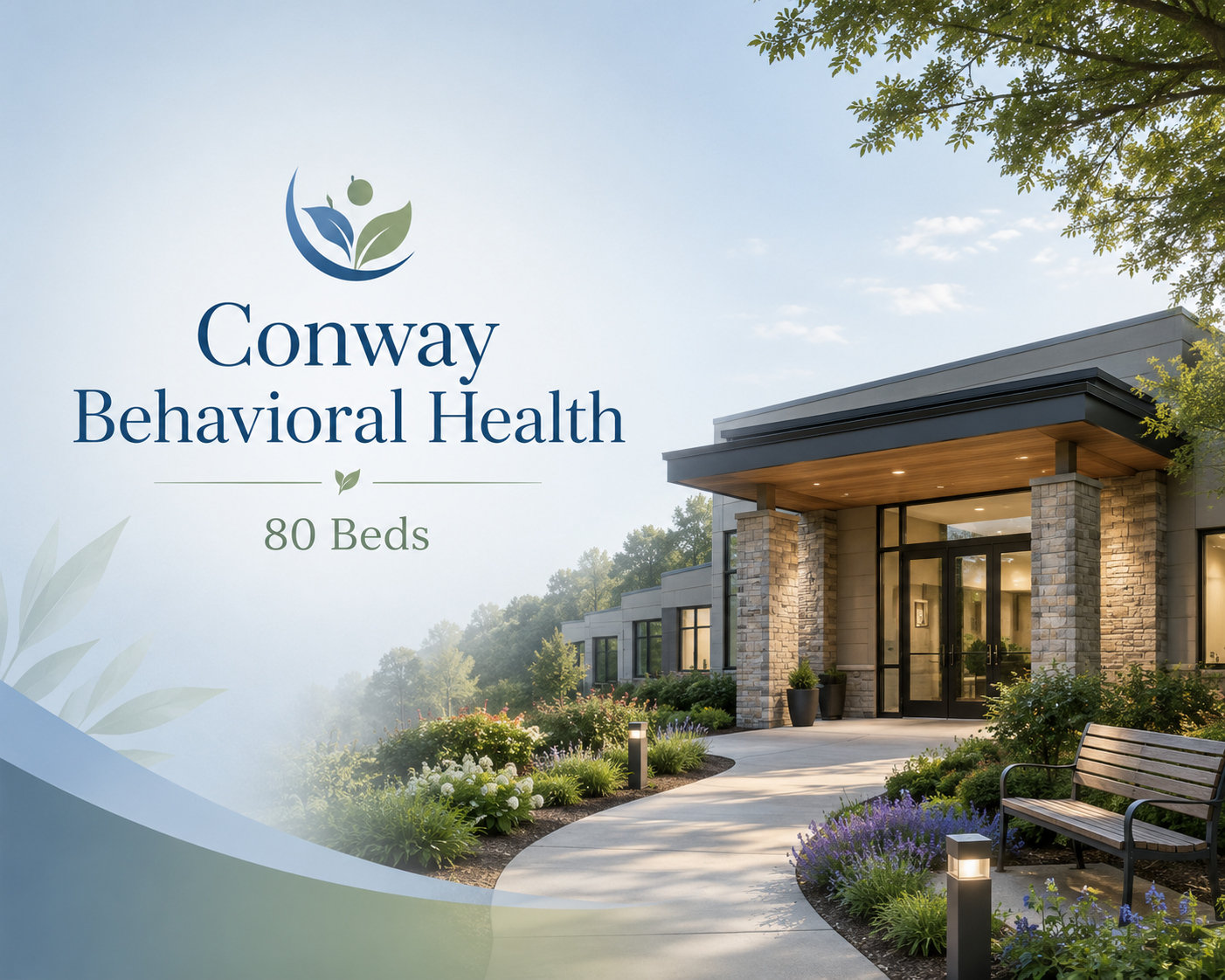
Conway Behavioral Health Hospital has 80 inpatient behavioral health beds. For anyone searching for conway behavioral health number of beds, the confirmed figure is 80 beds. The hospital is a one-story, roughly 62,000 square foot building in Conway, Arkansas, with those 80 beds spread across four distinct nursing units. This figure is confirmed both by the project’s architecture firm and by the hospital’s Medicare certification record.
Quick Facts
| Detail | Information |
| Total Inpatient Beds | 80 |
| Building Size | Approximately 62,000 square feet, one story |
| Nursing Units | Four distinct units within the hospital |
| Patients Served | Adolescents and adults |
| Certification | Medicare certified by the Centers for Medicare and Medicaid Services |
| Address | 2255 Sturgis Rd, Conway, AR 72034 |
A Simple Question That’s Surprisingly Hard to Find an Answer To
If you’ve been searching for this, you’re probably comparing options for yourself or a family member, and most hospital websites just don’t list their bed count anywhere obvious.
Conway Behavioral Health is one of the few cases where the number is actually well documented, just not on the hospital’s own homepage. Here’s where it comes from and what it tells you.
The Confirmed Number, With Context
Conway Behavioral Health Hospital was built with 80 inpatient behavioral health beds. That figure comes from Stengel Hill Architecture, the firm that designed the hospital for Acadia Healthcare, and it’s independently confirmed by CareListings, which lists Conway Behavioral Health as an 80 bed psychiatric hospital certified by the Centers for Medicare and Medicaid Services.
Having two independent sources land on the same number is a good sign that it’s accurate, since architecture project pages and federal certification listings are tracking entirely different things.
Why Bed Count Actually Matters Here
For a psychiatric hospital, bed count is a rough proxy for scale. An 80 bed hospital is large enough to run multiple specialized units at once, which usually means more flexibility in matching a patient to the right level of care.
It also affects something families care about directly: availability. A hospital with more total beds has more room to absorb demand, though that doesn’t guarantee an open bed on any specific day.
How the 80 Beds Are Organized
The hospital’s four nursing units reflect its dual focus on adolescent and adult care. Conway treats both age groups, and splitting capacity across separate units allows age appropriate programming rather than mixing populations with very different needs.
Beyond the inpatient units themselves, the building also includes separate outpatient therapy suites for partial hospitalization and intensive outpatient programs, which run independently from the 80 inpatient beds.
Inside the Building Behind the Bed Count
The architecture firm’s project description adds a few specific details that aren’t widely published elsewhere. The hospital includes a separate gymnasium building, multiple exterior activity yards, and a pair of dedicated outpatient therapy suites, on top of the four inpatient nursing units.
That level of dedicated activity and outdoor space is a meaningful design choice for a facility this size, since not every behavioral health hospital builds in that much room for non clinical activity.
How an 80 Bed Hospital Compares to the Industry Norm
Freestanding behavioral health hospitals in the United States commonly range from around 50 to 150 beds, depending on the population they serve and the region’s demand.
An 80 bed facility sits comfortably in the middle of that range, large enough to support multiple specialized units, while still being a single, purpose built campus rather than a sprawling multi building complex.
What People Often Get Wrong About Bed Counts
- Assuming more beds always means better care: bed count reflects capacity and scale, not the quality of treatment or staffing ratios on a given unit.
- Assuming the published bed count equals beds available today: licensed capacity and daily staffed availability aren’t always the same number.
- Confusing inpatient beds with outpatient program capacity: PHP and IOP programs run on a completely separate schedule and don’t count against the 80 inpatient beds.
How to Use This Information If You’re Considering Care
- Call admissions directly for same day availability: the published 80 bed figure is licensed capacity, not a real time vacancy count.
- Ask which unit a loved one would be placed in: this clarifies whether they’d be in the adolescent or adult program before admission.
- Ask about PHP or IOP if inpatient isn’t needed: these outpatient programs operate separately from the inpatient beds and may be the better fit.
Is the Bed Count the Same for Adults and Adolescents?
The hospital’s 80 beds are spread across four nursing units rather than split evenly by age group, since unit size depends on program design and demand rather than a fixed even split.
Does Conway Behavioral Health Have Separate Units for Adolescents?
Yes. The hospital treats both adolescents and adults, and its four distinct nursing units allow age appropriate programming rather than combining different age groups on one unit.
Does a Higher Bed Count Mean Shorter Wait Times?
Not necessarily. Wait times depend on current occupancy and staffing on any given day, not just the hospital’s total licensed bed count.
Is Conway Behavioral Health Medicare Certified?
Yes. It’s listed as Medicare certified by the Centers for Medicare and Medicaid Services, which is part of how its bed count and hospital status are independently verified.
Are Outpatient Program Spots Counted in the 80 Beds?
No. The partial hospitalization and intensive outpatient programs operate in separate therapy suites and don’t draw from the same 80 inpatient beds.
What Most People Don’t Realize
Most people assume a hospital’s bed count is just a logistics detail. For a purpose built facility like this one, it’s actually a window into the original design intent. Conway wasn’t retrofitted from an older building. It was constructed from the ground up with four separate nursing units, a dedicated gymnasium, and multiple outdoor activity yards, all sized around that 80 bed figure from day one.
That distinction matters more than it sounds. A hospital designed around its bed count tends to have programming and physical space that genuinely fits its patient population, rather than space adapted after the fact.
Reading a Hospital’s Bed Count Like a Pro
Next time you’re comparing behavioral health hospitals, three quick checks tell you more than the headline number alone:
- Total licensed beds versus staffed beds: not every licensed bed is staffed and open every single day.
- Unit breakdown: a single combined number can hide very different population splits between programs.
- Inpatient versus outpatient capacity: PHP and IOP slots are a separate resource from inpatient beds, even within the same building.
What Should You Do Next?
If you’re researching Conway Behavioral Health for yourself or a family member, treat the 80 bed figure as a useful scale reference, then call admissions directly to confirm current availability and which program fits best.
If you’re comparing multiple hospitals, ask each one the same three questions above so you’re comparing like for like, not just headline numbers.
Avoid assuming a published bed count reflects same day openings. Admissions teams can confirm that detail far more reliably than any public listing.
Suggested Internal Links
Add these once matching pages exist on your site, using descriptive anchor text:
- Link to a Conway Behavioral Health overview page using anchor text like “programs and care team at Conway Behavioral Health”
- Link to an inpatient versus outpatient guide using anchor text like “choosing between inpatient and PHP or IOP care”
- Link to a finding a psychiatric hospital guide using anchor text like “questions to ask before an inpatient admission”